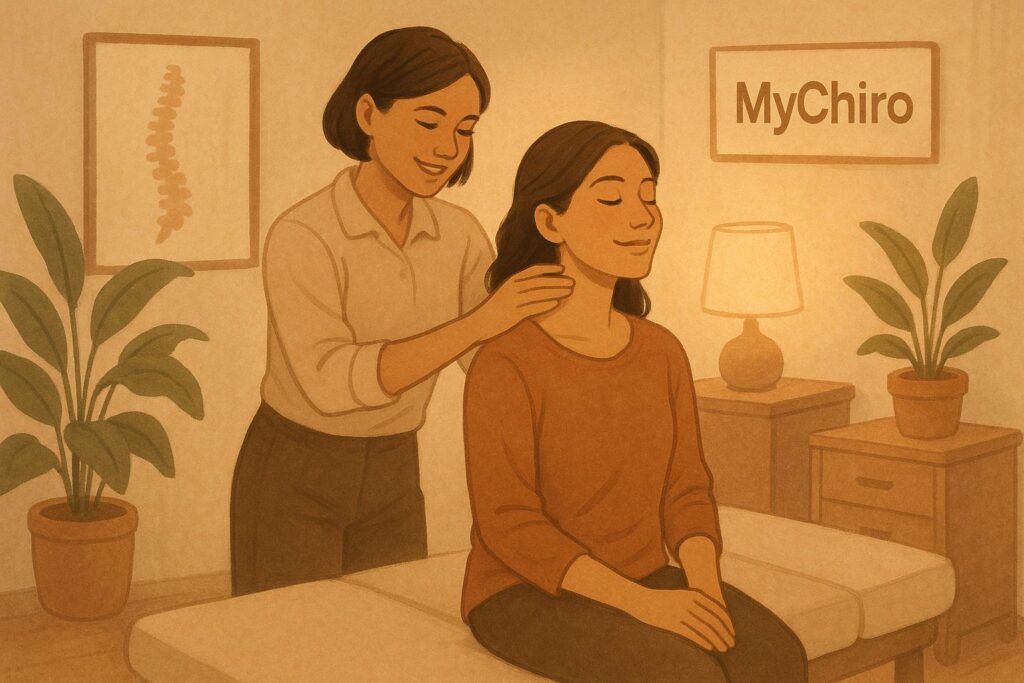
Stress can affect sleep, activity and how you feel physically. You may notice changes in posture or comfort, but these do not establish a spinal or nervous-system problem. Chiropractic care may be considered for an appropriate back or neck complaint after assessment. It should not be presented as a treatment for stress or anxiety. Persistent muscle tension needs an explanation that considers your symptoms and health history.
- Stress and Muscle Tension: Some people notice tightness or stiffness during stressful periods. Other causes may need consideration.
- Position and Sleep: A comfortable position and suitable sleep support may help daily comfort. Posture alone cannot explain stress or pain.
- Nervous System Claims: Research does not establish chiropractic adjustments as a way to reset the stress response.
- Care Options: Spinal adjustments, soft tissue treatment or exercise advice may be discussed for selected complaints, with benefits, risks and alternatives.
- Self-Care: Comfortable movement, manageable work changes and stress support can be useful independently of chiropractic treatment.
Stress and Anxiety: Understanding the Limits of Chiropractic Claims
Stress Responses and Physical Symptoms
The autonomic nervous system (ANS) helps regulate automatic functions such as heart rate. Stress involves several interacting systems. Understanding these processes does not establish that a spinal treatment can regulate them or relieve anxiety.
Stress is a normal response to demands or challenges, although ongoing or overwhelming stress may need support. It should not automatically be described as an imbalance requiring chiropractic correction.
Understanding the Stress Response
The sympathetic nervous system (SNS) and parasympathetic nervous system (PNS) contribute to automatic bodily responses. Describing them as an accelerator and brake is a simplification, not a method for diagnosing the cause of pain.
You may notice faster breathing, a racing heart or tense muscles when stressed. New or severe symptoms still need appropriate medical consideration rather than being assumed to be stress.
Muscle tension may accompany stress, but a tight feeling alone cannot tell you why it is happening.
Describe when symptoms started, what makes them better or worse, and how they affect your day. This information is more useful than assuming your nerves are stuck in a particular mode.
The HPA axis is part of the body’s stress-response system, and cortisol is one of the hormones involved. Feeling tense does not show that your cortisol is abnormally high or that it needs treatment through spinal adjustments.
If stress feels persistent or overwhelming, a GP can discuss contributing factors and appropriate support.
When Ongoing Stress Needs Support
Ongoing stress can affect daily life, sleep and wellbeing. These effects deserve attention without labelling the nervous system as locked or broken.
Headaches, fatigue, jaw pain, muscle cramps and back pain can have different explanations. They should not all be attributed to stress or a single spinal mechanism. Symptoms alone do not show muscle wasting, weakened bones or a hormonal disorder.
A feeling of tightness is not evidence of excess lactate causing anxiety. A proposed biochemical explanation is not enough to establish a diagnosis or justify treatment.
Physical discomfort and emotional distress can occur together. Both deserve an appropriate assessment when they persist or affect daily activities.
Support may include practical changes, medical assessment or psychological care, depending on the problem. No single routine can promise to eliminate anxiety and muscle tension.
Seek help if stress is becoming difficult to manage. You do not need to complete a particular course of spinal treatment before accessing stress support.
The central nervous system includes the brain and spinal cord. This anatomy does not establish that spinal alignment is the cause of stress or that an adjustment can correct a stress response.
Whether a chiropractic technique is appropriate depends on the physical complaint and individual assessment. Claims about resetting stress responses require evidence of meaningful patient benefit, not just a proposed mechanism.
Considering Chiropractic Options for a Physical Complaint
A consultation about back or neck pain can explore your symptoms, daily demands, goals and health history. If treatment is appropriate, discuss likely benefits, risks, costs, alternatives and how progress will be reviewed.
Spinal Adjustments: Potential Benefits and Limits
Spinal manipulation may provide modest benefit for some musculoskeletal complaints. Stress or a particular posture does not by itself establish joint restriction, nerve compression or a need for treatment.
Techniques vary, including approaches involving a thrust and others using mobilisation. The practitioner should explain the proposed approach and obtain your informed consent. Treatment is not proven to improve nerve signalling throughout the body or balance the stress response.
Studies measuring heart-rate variability and other autonomic markers have not established chiropractic care as treatment for stress or anxiety. Temporary soreness can occur after manual treatment, and serious complications have been reported. Discuss neck-manipulation risks and alternatives before deciding.
Soft Tissue Techniques: Suitability and Expectations
Hands-on soft tissue treatment may be an option for selected musculoskeletal symptoms. Feeling tense does not automatically mean that direct treatment is necessary.
Myofascial release involves pressure or stretching directed at soft tissues. It should not be described as reversing stress-induced fascial damage, and benefits depend on the complaint and individual response.
Trigger point therapy commonly involves pressure to tender muscle areas. Active release techniques combine pressure and movement. A change in symptoms does not prove that adhesions have been broken up or that a root cause has been corrected.
Hands-on treatment may feel helpful for some people, but it can also cause soreness or aggravation. Tell the practitioner if it is uncomfortable and discuss alternatives.
Movement, Work and Daily Habits
Care can include the activities you find difficult and practical ways to make them more manageable. The goal need not be a particular posture or permanent alignment change.
An assessment may include how you move during a relevant task. Appearance alone cannot predict future problems or establish the cause of your symptoms.
Workstation changes can be simple: bring frequently used items within reach, choose a comfortable screen position and vary tasks when practical. Keep changes that help your comfort.
Exercise and movement advice should fit your symptoms, ability and preferences. Start with manageable activities and review progress; there is no need to assume normal movement is straining your nervous system.
A useful plan has clear goals, such as sitting through a meeting more comfortably or returning to an activity. If care is not helping, revisit the explanation and options rather than assuming more treatment is always needed.
Self-Care Options for Everyday Comfort
You can use suitable self-care without receiving chiropractic treatment. These ideas may support comfort or coping, but they do not guarantee that pain or stress will stay away.
Comfortable Movement and Exercise
Choose movement you can manage, such as a short walk or changing position during desk work. Gradually adjust activity to your capacity rather than relying on a fixed routine between appointments.
Neck and shoulder movements should stay comfortable. Avoid forcing a stretch or pressing on your head. Stop and seek advice if movement brings on increasing pain, tingling, numbness or dizziness.
Upper-back movements or a gentle chest stretch may suit some people, but neither is required to correct rounded shoulders. Ask for individual guidance if you have pain or limited movement.
The cat-cow movement is one example of an exercise used for spinal movement. It may not suit everyone, especially if kneeling or wrist loading is difficult. Choose a comfortable alternative when needed.
Hip stretches are optional rather than an essential treatment for lower back pain. A lunge may be unsuitable if it affects your balance, knees or hips; ask about alternatives.
Fit activity into a time that works for you. Morning or evening exercise does not guarantee a better effect, and a routine should be adjusted if it worsens symptoms.
Relaxation Options for Stress
Some people find relaxation useful for stress. It can be practised independently of chiropractic care and does not prove that the body has switched into a healing state.
For comfortable breathing, allow an easy, unforced rhythm. You do not need to take very deep breaths or hold them. Stop if you feel dizzy, breathless or uncomfortable.
Box breathing includes breath holds and is not necessary for relaxation. If breath holding feels uncomfortable, choose a simple breathing exercise without holds or another calming activity.
Mindfulness meditation may help some people manage stress, but responses vary. It can sometimes increase discomfort or distress; stop or seek guidance if that happens.
Progressive muscle relaxation involves noticing tension and letting it ease. Avoid forceful contractions and skip painful or injured areas. Ask a clinician for guidance if you are unsure whether it suits you.
These practices are optional. Combining them with adjustments has not established reliable, longer-lasting relief from stress.
Desk Setup Options for Comfort
A desk setup should support your work and feel comfortable. It does not need to maintain a treatment effect or correct a spinal imbalance.
Start with easy viewing and reach. Adjust screen position and text size so you can see comfortably, and keep your keyboard and mouse accessible. Exact distances and elbow angles are starting points at most, not requirements for everyone.
Choose a chair that feels comfortable and supports your task. A footrest or small cushion may help some people. Adjust or remove support that makes symptoms worse.
Try movement breaks or task changes when practical. A visual-rest rule is not a proven schedule for preventing muscle tension, and research does not establish one break pattern that prevents musculoskeletal pain.
Comfortable lighting and reduced screen glare may make work easier. Persistent visual difficulty, headache or discomfort may need assessment rather than further desk adjustments.
sbb-itb-585d67d
Chiropractic Service Summary – Dr Steve (Chiropractor)

At MyChiro in Bondi Junction, you can discuss back pain, neck pain or headaches and whether a chiropractic assessment is appropriate. The focus is on your complaint, goals and care options, without assuming stress has caused a spinal or nervous-system defect.
An Individual Assessment and Clear Choices
A consultation starts with your concerns, how symptoms affect your day and relevant health history. Examination or referral may be appropriate before deciding on care.
Advice may consider exercise, work tasks and daily habits. General information about nutrition and spinal health is not a substitute for individual advice. A care plan should explain realistic goals, how progress will be reviewed and when a different approach is needed.
Whether you work at a desk, care for children or have a physically demanding routine, explain what you want to manage more comfortably. Suitability for treatment depends on assessment; no plan can promise lasting improvement for everyone.
You should have the information you need to decide whether to proceed, including the expected cost.
Appointments and What to Expect
The online booking system lets you view available appointment options. Choose an appropriate appointment, or contact the clinic if you are unsure what to book.
Ask questions about the proposed care, alternatives and any concerns before agreeing to treatment. You can decline an option or change your mind.
Check appointment times for availability. If your symptoms need medical assessment or another type of care, referral may be more appropriate than chiropractic treatment.
New patients can book a free initial consultation to discuss their concerns and options. This does not mean a free examination or treatment. Optional same-day treatment is $125 if clinically appropriate, with no obligation to proceed.
This article is for general educational purposes only and is not a substitute for personalised healthcare advice. Please consult a registered health practitioner.
Conclusion
Key Points to Remember
Stress and physical discomfort can occur together. That does not show that spinal alignment, trapped nerves or a stuck stress response is the cause.
Chiropractic care may be considered for selected musculoskeletal complaints after assessment. It should not replace appropriate medical or psychological support for stress or anxiety.
Comfortable movement and positioning can be useful during desk work. There is no single posture that guarantees a healthy nervous system or prevents stress.
Use these ideas as options to discuss and try, with attention to what is helpful for your own daily activities.
Taking Action on Stress Management
Persistent neck pain, headaches or muscle discomfort deserve assessment. Sudden severe headache, new weakness or speech or vision changes need urgent medical help; call 000 for an emergency. New bladder or bowel problems or groin numbness with back pain also require emergency assessment.
You can read the clinic’s frequently asked questions and discuss care choices. For ongoing stress, anxiety, sleep difficulties or unexplained symptoms, your GP can help identify appropriate support.
Before starting care, ask how appointments fit your needs, what the costs are and when the plan will be reviewed. Convenience should support an informed decision, not encourage unnecessary treatment.
Choose manageable habits and seek support when needed. You do not have to solve stress through posture correction or commit to ongoing spinal treatment to look after your wellbeing.
This article is for general educational purposes only and is not a substitute for personalised healthcare advice. Please consult a registered health practitioner.
FAQs
What can chiropractic care offer for muscle discomfort?
An assessment can help determine whether a musculoskeletal complaint is suitable for chiropractic care or needs referral. Manual treatment or exercise advice may be options, with benefits that vary. It should not be promised to release nerve pressure, improve circulation throughout the body or treat every headache.
Claims that adjustments lower cortisol enough to treat stress or anxiety are not established by reliable clinical evidence. Changes in a laboratory measurement alone do not demonstrate meaningful health improvement.
What self-care options may help with daily stress and comfort?
Consider manageable physical activity, optional relaxation practices, a suitable sleep routine and regular meals. Choose activities that suit you, and get advice if symptoms make them difficult. These habits do not require chiropractic treatment to be worthwhile.
Support from other people can help during stressful periods. Your GP or a mental health professional can also discuss support when stress affects daily life. These are appropriate options in their own right, not methods for preserving spinal adjustments.
Does posture show whether stress is affecting my nervous system?
Posture Does Not Diagnose a Stress Disorder
The way you sit or stand cannot show whether your nervous system is functioning normally or identify the cause of stress. A position can feel uncomfortable without being harmful or out of alignment.
If back or neck discomfort persists, seek an assessment that considers your symptoms and activities. If stress or anxiety is the main concern, medical or psychological support may be more relevant than a posture-focused treatment.
This information is general and not a substitute for professional healthcare advice.