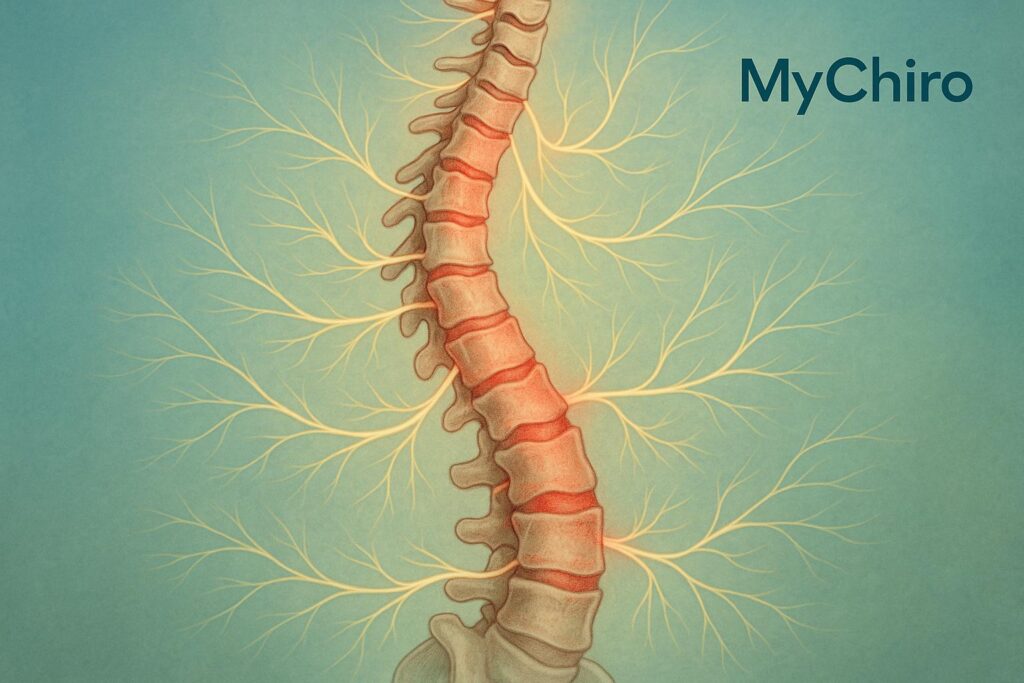
Stress can be associated with muscle tension, changes in sleep and difficulty managing pain. A change in posture does not show that vertebrae have moved out of place. Back pain, tingling or numbness should be assessed on their own merits rather than assumed to come from stress or disc damage.
Here’s what you need to know:
- Stress and discomfort: Muscle tension may accompany stress, but this does not mean that the spine is being pulled out of alignment.
- Symptoms need context: Poor sleep, concentration changes and pain can have several causes. They do not diagnose a nervous-system imbalance.
- When symptoms persist: Back or neck pain, headaches and neurological symptoms may need appropriate assessment.
- Practical habits: Comfortable posture, varied movement and suitable relaxation strategies may help daily wellbeing.
- Getting help: Seek advice when symptoms concern you or affect daily life. New or worsening weakness, numbness or difficulty walking needs prompt medical attention.
A plan can address a musculoskeletal complaint and stress-related concerns separately. Chiropractic treatment has not been established as a way to prevent disc damage or treat an anxiety disorder.
Why Your Neck Tenses Up Under Stress (and How to Release It)
How Stress Changes Your Nervous System
The relationship between stress and pain is complex. Understanding what affects your symptoms can help guide care, without assuming that stress has damaged the spine or blocked nerve communication.
Your Body’s Stress Response
When stress hits, your brain’s amygdala acts as an alarm system. It detects the threat – whether it’s a looming work deadline or ongoing financial worries – and sends a distress signal to the hypothalamus. This, in turn, activates the sympathetic nervous system, which is responsible for the "fight-or-flight" response.
The stress response involves changes in hormones, heart rate, breathing and other functions. These normal processes do not provide a simple test of whether your spine needs treatment. Symptoms such as chest pain, breathing difficulty or fainting should not be dismissed as stress.
While this process is essential for short-term survival, it can become harmful when stress lingers.
Long-Term Stress and Nervous System Problems
When stress is persistent or overwhelming, it is worth seeking support. A useful starting point is:
Describe how stress is affecting your daily life, sleep and symptoms so that the right kind of help can be discussed.
Stress may affect concentration and mood. If you are concerned about memory changes, anxiety or low mood, speak with your GP about assessment and support.
Recovery from stress or burnout varies with the person and circumstances. There is no single three-month recovery timetable. Persistent fatigue, sleep difficulty or neurological symptoms should be assessed rather than attributed to stress alone.
Pain, mood and sleep can interact without a fixed spinal or neurological defect. Care should address the concerns identified and include referral where appropriate.
Stress, Muscle Tension and Back Pain
Some people notice more back or neck discomfort during stressful periods. This does not establish that stress has changed the position of their vertebrae or caused structural damage.
Muscle Tension and Comfort
If the neck, shoulders or back feel tense, consider the pattern of symptoms and how they affect normal activities:
Persistent discomfort is worth assessing, but tension alone does not show that vertebrae are out of place.
Muscles can feel tight without pulling the spine out of alignment. Gentle movement or a change of position may help comfort; persistent or worsening symptoms deserve assessment.
Symptoms and Possible Causes
Studies can find associations between stress and back pain, but this does not prove that stress caused an individual case. Stiffness or spasms may have several contributing factors and can be assessed according to their severity and pattern.
Radiating pain, tingling, numbness or weakness should not automatically be blamed on stress-related muscle tension. These symptoms may require neurological assessment. Headaches also need a history and assessment appropriate to their features.
A disc herniation cannot be diagnosed from stress or muscle tightness. If symptoms suggest a specific medical condition, the clinician should assess or refer appropriately.
Poor Posture from Stress
During stressful periods you may notice jaw clenching, tense shoulders or less movement. These observations can help identify practical changes, without implying that an ordinary sitting position is damaging.
Simple weight or pressure estimates cannot predict spinal damage from an individual posture. A forward head position does not by itself demonstrate degeneration or a need for corrective treatment.
Aim for comfortable positions and regular movement rather than constant monitoring for hidden damage. Persistent pain or changing function is a reason to seek advice.
Symptoms That Deserve Assessment
Pay attention to symptoms that persist, worsen or affect normal activities. Seeking advice can clarify what is happening without assuming a stress-related spinal disorder.
Symptoms to Look Out For
Headaches may occur during stressful periods, but their type and associated symptoms matter. New, severe or unusual headaches need appropriate medical assessment.
Persistent neck or back pain can be described by its location, quality, timing and effect on activities. During a consultation:
Explain what the pain feels like, what changes it, and whether there are symptoms such as weakness, numbness, fever or a recent injury.
You might also notice muscle stiffness or spasms, particularly in the morning or after sitting for long periods. Shoulders can feel locked up, and turning your head might become uncomfortable.
Sleep difficulty can occur alongside pain. If you are waking with neck discomfort, mention that pattern, while also discussing persistent insomnia or breathing symptoms with your GP.
Radiating pain, tingling, numbness or shooting sensations in the arms or legs need appropriate assessment, particularly if persistent or worsening. New weakness or difficulty walking warrants prompt medical attention.
Your observations are useful during an assessment. Describe any connection you notice between stress and symptoms, while keeping an open mind about other possible contributors.
What Assessment Can Clarify
An assessment can consider likely causes, relevant warning signs and options for care. The urgency depends on the symptoms, not a fixed waiting period.
The purpose is appropriate assessment and care. Your clinician can explain the likely problem, discuss options and consider whether referral is needed. A practical principle is:
Advice about spinal health should be based on symptoms and evidence, without suggesting inevitable damage if treatment is delayed.
Discuss goals for daily function and comfort, such as walking, working or resting more comfortably. Review progress rather than assuming every symptom needs ongoing treatment.
Benefits, risks and costs should be explained before you decide. Chiropractic care and physiotherapy may offer options for selected musculoskeletal concerns; neither should be presented as a guaranteed way to avoid surgery or future costs.
Occasional stiffness is not proof of progressive damage. Seek assessment when symptoms are persistent, worsening, concerning or affecting activities.
sbb-itb-585d67d
Practical Support for Stress and Physical Comfort
Choose manageable habits that fit your health and circumstances. Stress support and care for a separate muscle or joint complaint may have different goals.
Daily Habits for Stress Relief
For posture, aim for comfort and variation rather than a rigid position. Adjust your work setup if useful and take regular opportunities to move.
Physical activity can support general wellbeing and may be part of care for back pain. Choose an activity and level suited to your health and symptoms. A useful principle is:
Build activity gradually and review what helps you function comfortably.
When lifting, consider the load and your capacity. Keep the task manageable, use assistance when needed and seek tailored advice if lifting causes symptoms.
A comfortable sleeping position and pillow support may help rest. Follow relevant medical advice; from 28 weeks of pregnancy, go to sleep on your side, and seek advice about sleep-related breathing problems.
Hydration supports general health, but a fixed water target is not an established way to prevent disc degeneration. Fluid needs vary, and some medical conditions require specific advice.
Gentle movement, including options such as cat-cow movements, may suit some people. No stretch is necessary for everyone. Modify or stop movements that worsen symptoms.
Stress-management strategies may include relaxation, suitable activity or support from people you trust. If stress remains overwhelming or affects daily life, your GP can discuss further help.
Lastly, for those spending long hours at a desk, workspace ergonomics are vital. Ensure your screen is at eye level, use a supportive chair, and keep your feet flat on the floor. Taking regular breaks to move and stretch can also make a big difference.
Persistent symptoms may need assessment, including consideration of causes beyond posture or stress.
Chiropractic Assessment for Musculoskeletal Symptoms
Chiropractic assessment can address a musculoskeletal complaint such as back or neck pain. At MyChiro in Bondi Junction, Dr Steve can discuss symptoms and care options without assuming a subluxation is blocking nerve communication.
Chiropractic adjustments may be considered for selected pain conditions. Research on autonomic measurements does not establish a reliable treatment for stress or a way to switch the body out of fight-or-flight mode.
If anxiety affects daily life, speak with your GP or a mental health professional. A separate muscle or joint complaint can be assessed alongside that care, with its own treatment goals.
A musculoskeletal plan may include advice, exercise, manual therapy or referral. The choice should reflect the assessment, evidence, risks and your preferences.
Comparing Care Options
These approaches may have different roles depending on the concern being assessed. The table is a guide to questions, not a ranking of speed or effectiveness.
| Treatment Option | Primary Focus | Possible role | Limitations |
|---|---|---|---|
| Chiropractic Care | Musculoskeletal assessment, advice, exercise and possible manual therapy | Options for selected back or neck complaints | Not an established treatment for anxiety or autonomic imbalance |
| Physiotherapy | Rehabilitation and movement therapy | Support for movement, function and rehabilitation goals | Results depend on the condition and plan; no universal timeline |
| Self-Care Methods | Daily habits and lifestyle changes | Practical support for comfort and activity | May need adaptation or clinical advice when symptoms persist |
| Combined Approach | Mix of methods | Coordinated care for more than one concern | More treatment is not automatically better; clarify each role |
Both chiropractors and physiotherapists may use advice, exercise and manual approaches within their scope. A professional title alone cannot predict how quickly a particular treatment will help.
For low back pain, manual therapy may be considered as part of an active plan that includes exercise. A combination should be chosen for a clear reason, not a promise of faster recovery or nervous-system balance.
When to Get Professional Help
Seek advice when symptoms are persistent, worsening, concerning or affecting daily life. An assessment can help identify suitable care and whether medical investigation is needed.
Warning Signs That Need Professional Assessment
You do not need to wait two weeks if symptoms are concerning. The urgency depends on their nature, severity and associated features.
Muscle tightness or a headache does not diagnose a nervous-system imbalance. New, severe or unusual headaches and neurological symptoms need appropriate medical assessment.
Jaw clenching, fatigue and poor sleep may have several causes. A tilted head, uneven shoulders or a clicking joint does not by itself show disease or a need for adjustment.
Discuss what is affecting you and what you have already tried. A clinician can consider the wider picture rather than treating a posture finding in isolation.
What a Timely Assessment Can Offer
An assessment can clarify the likely problem, review warning signs and discuss options. It cannot guarantee that treatment will prevent future pain or degeneration.
Ask for a clear explanation of the fees, proposed number of visits and review point before deciding. The plan can be reconsidered if it is not helping you meet agreed goals.
Workplace or activity advice can be adapted to your routine and symptoms. Ordinary sitting habits do not inevitably lead to structural damage.
Discuss medicines and other treatment with the prescribing clinician. Let each clinician know about your existing care so that advice can be coordinated.
For persistent anxiety, fatigue or sleep problems, start with your GP or an appropriate mental health or sleep professional. MyChiro can assess a separate back or neck complaint and discuss musculoskeletal options.
Choosing Support for Stress and Pain
Stress can affect how you feel and cope with pain, but it does not establish that vertebrae are displaced or that the nervous system needs realigning.
Describe persistent or concerning symptoms and seek suitable advice. Treatment should respond to the findings, without fear of inevitable deterioration if you do not book regular care.
Practical habits such as comfortable posture, varied movement and a manageable work setup may support daily comfort. Choose changes that fit your health and review their effect.
If a trial of musculoskeletal care is agreed, use a clear review point:
Continue, change or stop treatment according to symptoms, function and agreed goals, rather than a promise of emotional wellbeing from regular adjustments.
For ongoing stress or mood concerns, seek appropriate support from your GP or a mental health professional. MyChiro can discuss a separate back or neck complaint and options for day-to-day comfort and function.
At MyChiro in Bondi Junction, new patients can book a free initial consultation about back pain, neck pain or headaches. Same-day treatment is optional, costs $125 and is offered only if clinically appropriate, with no obligation to proceed.
This article is for general educational purposes only and is not a substitute for personalised healthcare advice. Please consult a registered health practitioner.
FAQs
How can I tell what is contributing to my back pain?
Back pain can have several contributors. Stress may affect symptoms, but the pattern alone cannot distinguish a stress-related problem from another condition. Tell your clinician what you notice and how the pain affects you.
Feeling better with relaxation does not rule out a physical condition. Seek assessment for persistent or worsening pain, or symptoms such as weakness, numbness, fever or a recent injury.
What are some simple daily exercises or stretches to ease stress-related spine discomfort?
Exercises such as a knee-to-chest movement, child’s pose, seated rotation, bird-dog or side plank may be suitable for some people, but are not universal prescriptions. Start at a level appropriate to your health and symptoms, and modify or stop movements that worsen symptoms.
For tailored advice, always consult a registered health practitioner. This content is intended for general educational use only.
When might a chiropractic assessment be appropriate?
A chiropractic assessment may be an option for back pain, neck pain or headaches, depending on the symptoms. A clinician should consider relevant warning signs and refer when appropriate, rather than assume stress has caused a spinal misalignment.
Options may include advice, exercise, referral or manual treatment for an appropriate musculoskeletal concern. Ask about expected benefits, risks, alternatives, fees and the review plan. Treatment is not automatic.